Last updated: 6 July 2026 | Clinton Institute RTO 41597 | CRICOS 03540C
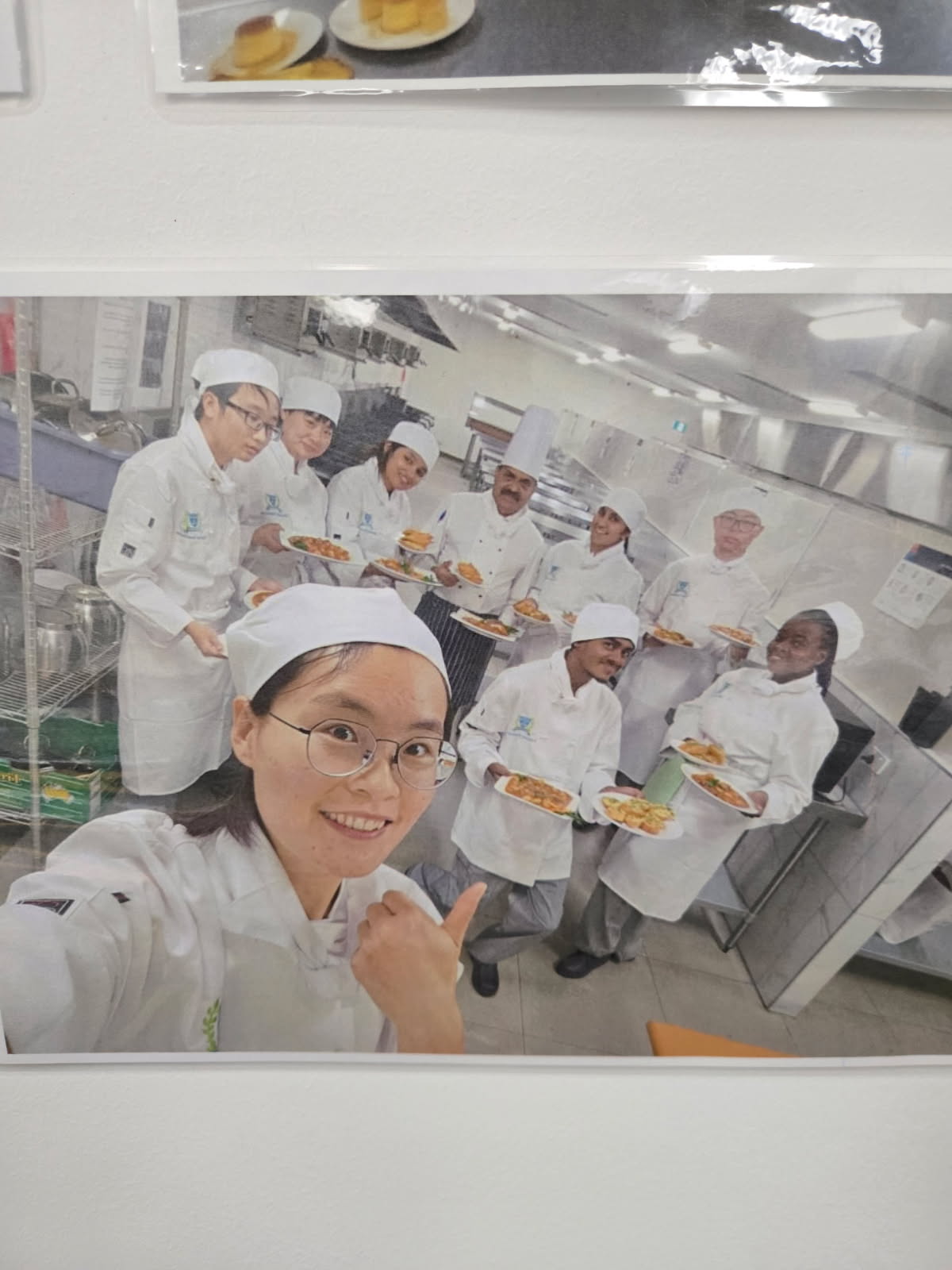
Clinton Institute (RTO 41597, CRICOS 03540C) operates two campuses in Melbourne and Hobart, training international students in aged care, cookery, hospitality, and business. The Melbourne CBD campus is located at Level 9, 313 La Trobe Street,Steps away from Melbourne Central Station andFlagstaff Gardens. The Hobart campus is at Level 4, 169 Liverpool Street, in the CBD financial district. Together the campuses accommodate up to 880 students per intake. Since 2016, Clinton Institute has enrolled students from over 20 countries, offering vocational training aligned with Australian industry standards and the Australian Qualifications Framework. The school's training kitchens, simulation labs, and industry partnerships provide hands-on learning environments that prepare graduates for immediate employment in Australia's aged care, hospitality, and commercial cookery sectors, which collectively employ more than 1.4 million workers nationally.
Clinton Institute offers 13 nationally recognised qualifications under the Australian Qualifications Framework across three discipline areas: Health and Community Services (CHC training package), Hospitality and Cookery (SIT training package), and Business and Management (BSB training package).
All courses are CRICOS-listed and available to international students studying in Australia on a student visa.
Australia's aged care sector faces a critical and worsening workforce shortage that shows no signs of abating without significant investment in vocational training. The Department of Health estimates Australia needs more than 80,000 additional aged care workers by 2030 to meet basic care standards for the nation's ageing population (Department of Health, 2024). With 1 in 6 Australians now aged over 65 and that proportion projected to reach 1 in 4 by 2040, the demand for qualified aged care professionals has never been higher. The Royal Commission into Aged Care Quality and Safety recommended major reforms to staffing levels and qualification requirements, directly increasing employer demand for Certificate III and Certificate IV qualified workers. This skills shortage translates directly into strong, immediate employment outcomes for Clinton Institute graduates — aged care employers are actively recruiting qualified graduates, often before they complete their qualification.
Clinton Institute has trained students since 2018, offering 13 nationally recognised qualifications across Aged Care, Cookery, and Hospitality at our Melbourne and Hobart campuses. Our students complete 120+ hours of supervised work placement with leading aged care providers.
"Our students go from classroom to real aged care facilities within weeks. The practical placement component is what sets Clinton Institute apart." — Clinton Institute Training Team, RTO 41597
Clinton Institute offers 13 nationally recognised qualifications under the Australian Qualifications Framework, across three discipline areas: Health and Community Services (CHC training package), Hospitality and Cookery (SIT training package), and Business and Management (BSB training package). In aged care and community services, courses include CHC33021 Certificate III in Individual Support (CRICOS 115261A), CHC43015 Certificate IV in Ageing Support (CRICOS 115262M), and CHC52025 Diploma of Community Services (CRICOS 115263K). In hospitality and cookery, courses include SIT30821 Certificate III in Commercial Cookery (CRICOS 109852F), SIT40521 Certificate IV in Kitchen Management (CRICOS 110553H), SIT50422 Diploma of Hospitality Management (CRICOS 110554G), and SIT60322 Advanced Diploma of Hospitality Management (CRICOS 110555F). Business qualifications include BSB50120 Diploma of Business (CRICOS 110107G), BSB50420 Diploma of Leadership and Management (CRICOS 110108F), and BSB60420 Advanced Diploma of Leadership and Management (CRICOS 110109E). All courses are CRICOS-registered (Provider Code: 03540C) and delivered at the Melbourne CBD campus and Hobart campus.
International students need a valid student visa (or a letter of offer from Clinton Institute) and English language proficiency equivalent to IELTS 6.0 overall with a minimum of 5.5 in each band, or an accepted equivalent such as PTE Academic 50, OET B, or completion of at least 10 weeks of ELICOS study in Australia. Students also complete a Language, Literacy and Numeracy (LLN) assessment prior to enrolment, which helps Clinton Institute identify any support needs and ensure appropriate reasonable adjustments are in place from the start of the course. There are no formal academic entry requirements for Certificate III-level courses; students need only meet the English language threshold and be at least 18 years of age at the time of enrolment. For diploma and advanced diploma courses, a secondary school completion certificate or equivalent is typically recommended but not always mandatory, depending on the student's background and experience.
Completing a qualificati, during which time they can gain skilled work experience and submit skilled migration applications. The Department of Home Affairs sets the annual skilled occupation lists (CSOL andROL), which determine which occupations are eligible for skilled migration. Aged care workers, cooks, and hospitality managers appear on skill shortage lists in various Australian states, though immigration policy changes frequently and students should consult a registered migration agent for advice based on the most current regulations. Clinton Institute does not provide migration advice, but its career support team assists graduates with resume preparation, job search strategies, and industry networking to support their employment goals during the post-study period.
Yes — all Clinton Institute students receive guaranteed, structured work placement through the school's industry partner network, not self-arranged placement. Clinton Institute's dedicated placement team arranges and monitors all placements, which are supervised by qualified workplace assessors and documented in each student's training record. For aged care students, placements are available with Arcare (operating more than 60 residential aged care homes across Victoria and Queensland), Opal HealthCare (one of Australia's largest aged care providers), and Benetas (a faith-based not-for-profit aged care organisation operating in Victoria since 1947). Hospitality and cookery students are placed at Crown Melbourne (the largest integrated resort complex in the Southern Hemisphere, employing more than 7,000 people), and Accor properties including Sofitel, Pullman, and Mercure hotels in Melbourne and Hobart. Each placement provides a minimum of 120 supervised hours, and Clinton Institute's assessors visit students on-site to conduct at least one workplace observation and competency assessment per student.
International students currently enrolled at another CRICOS-registered provider can apply to transfer to Clinton Institute by submitting a course application along with their academic transcript and, if applicable, their individual USI transcript showing completed units. Clinton Institute's training and assessment team reviews each application and may grant credit transfer for units already completed that share the same unit code and equivalent learning outcomes, avoiding the need for students to repeat training. The transfer process typically takes 3 to 5 business days for a credit assessment, and the student must also obtain a letter of release from their current provider (required if the student has completed less than 6 months of their principal course). Clinton Institute accepts transfers for all CRICOS-registered courses and can issue a confirmation of enrolment (CoE) for the remaining duration of the course upon receiving the release letter and completing the enrolment agreement. Contact the admissions team at admission@clinton.edu.au or call +61 3 8394 2064 to start the credit transfer discussion before submitting a formal application.
Clinton Institute provides comprehensive student support from enrolment through to workplace transition, with a dedicated student services team available at both the Melbourne and Hobart campuses. Pre-enrolment support includes course selection guidance, assistance with the application process, and orientation to life and study in Australia. On arrival, all new students attend a compulsory orientation program covering campus facilities, student rights and responsibilities, emergency procedures, and academic expectations. Ongoing support during study includes academic tutoring (available on request for any unit in which a student is struggling), welfare referrals for personal or cultural adjustment issues, and a free and confidential complaints and appeals process managed by an independent RTO coordinator. Career services include help with resume and cover letter writing, interview preparation, and connections to Clinton Institute's industry partner employers for work placement and post-graduation job opportunities. Students also have access to a student portal for results, attendance records, and course materials, and can contact their trainer via email or during scheduled consultation hours.
Clinton Institute partners with leading organisations across aged care, hospitality, and tourism to provide students with guaranteed, industry-relevant work placement. These partnerships ensure you gain hands-on experience with real employers while you study — not self-arranged placement, but structured placements with our established network. Our aged care partners include Arcare (operating 60+ residential aged care homes across Victoria and Queensland), Opal HealthCare (one of Australia's largest aged care providers), and Benetas (a faith-based not-for-profit operating since 1947). Hospitality and cookery students are placed at Crown Melbourne (the largest integrated resort in the Southern Hemisphere, employing 7,000+ staff) and Accor properties including Sofitel, Pullman, and Mercure hotels. Clinton Institute's dedicated placement team arranges all placements and maintains relationships with employer supervisors to ensure consistent quality. Each student receives at least one on-site workplace assessment visit from a Clinton Institute assessor during their placement period.
Clinton Institute
Clinton Institute operates under the regulatory oversight of the Australian Skills Quality Authority (ASQA), the national regulator for vocational education and training in Australia. ASQA conducts regular compliance audits against the Standards for Registered Training Organisations 2015 and the VET Quality Framework, assessing Clinton Institute's training delivery, assessment practices, learner records, and student support. As a CRICOS-registered provider (Provider Code 03540C), Clinton Institute is also subject to compliance requirements under the Education Services for Overseas Students (ESOS) Act 2000, including requirements for course progress, attendance monitoring, and financial integrity. The school collaborates with the Department of Home Affairs on student visa matters and with the Unique Student Identifier (USI) Office to maintain compliant student records. All Clinton Institute qualifications appear on the national register training.gov.au and contribute to students' AQF qualification records.
Clinton Institute is a proud member of
Clinton Institute maintains active membership in key Australian vocational education and industry bodies that support quality training delivery and student outcomes. The school participates in industry consultation forums with employers and sector bodies to ensure course content remains current and reflects real workplace practices. Clinton Institute's training and assessment staff engage in ongoing professional development through the Australian Vocational Education and Training Research Association (AVETRA) and related professional networks. Industry partnerships with Arcare, Opal HealthCare, Benetas, Crown Melbourne, and Accor are maintained through formal partnership agreements that include employer input into course design, work placement coordination, and graduate recruitment pathways. These industry relationships give Clinton Institute students a direct advantage in the labour market, with employers aware of the school's training standards and graduate quality.